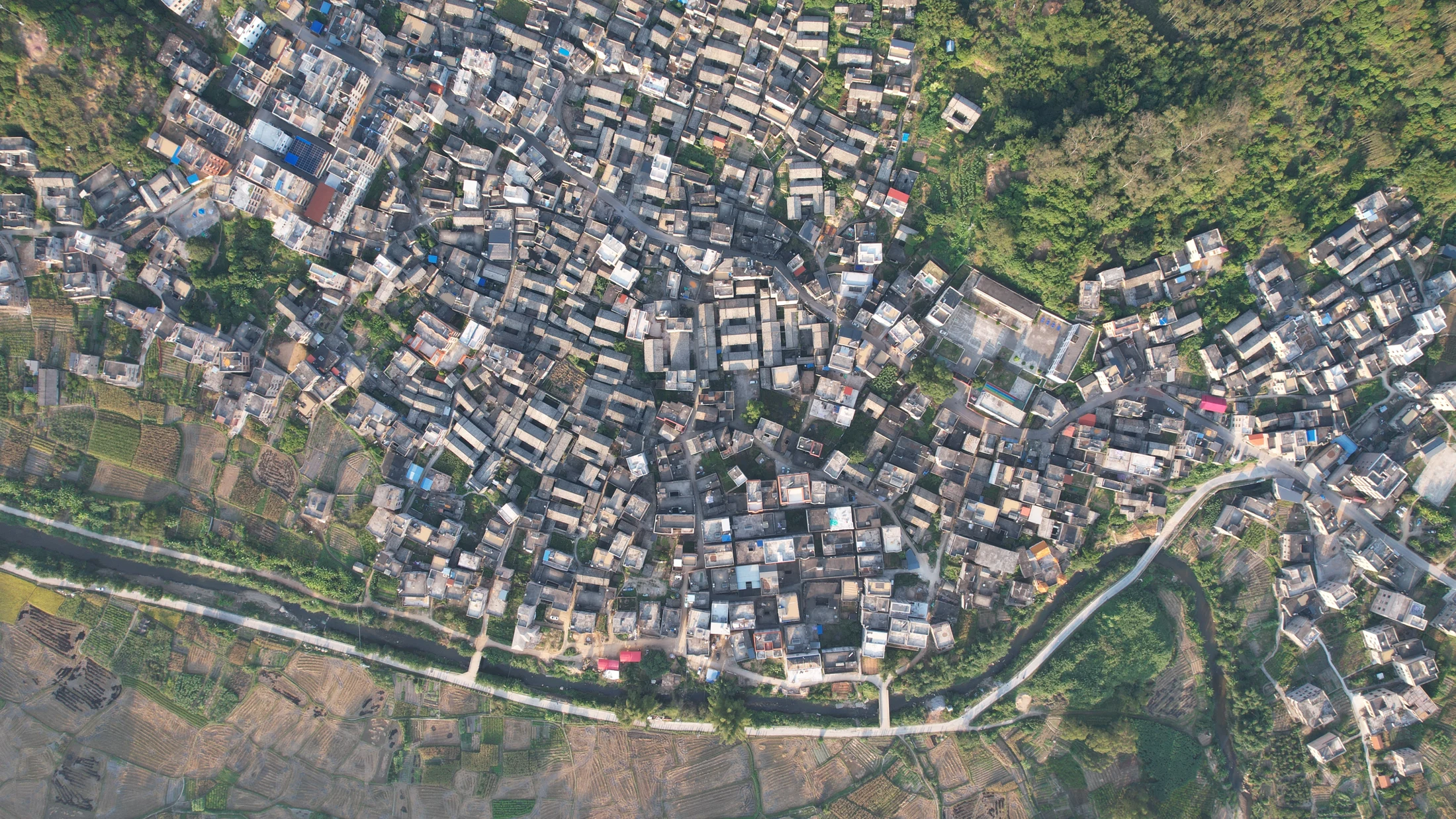
A living archive, facing loss.
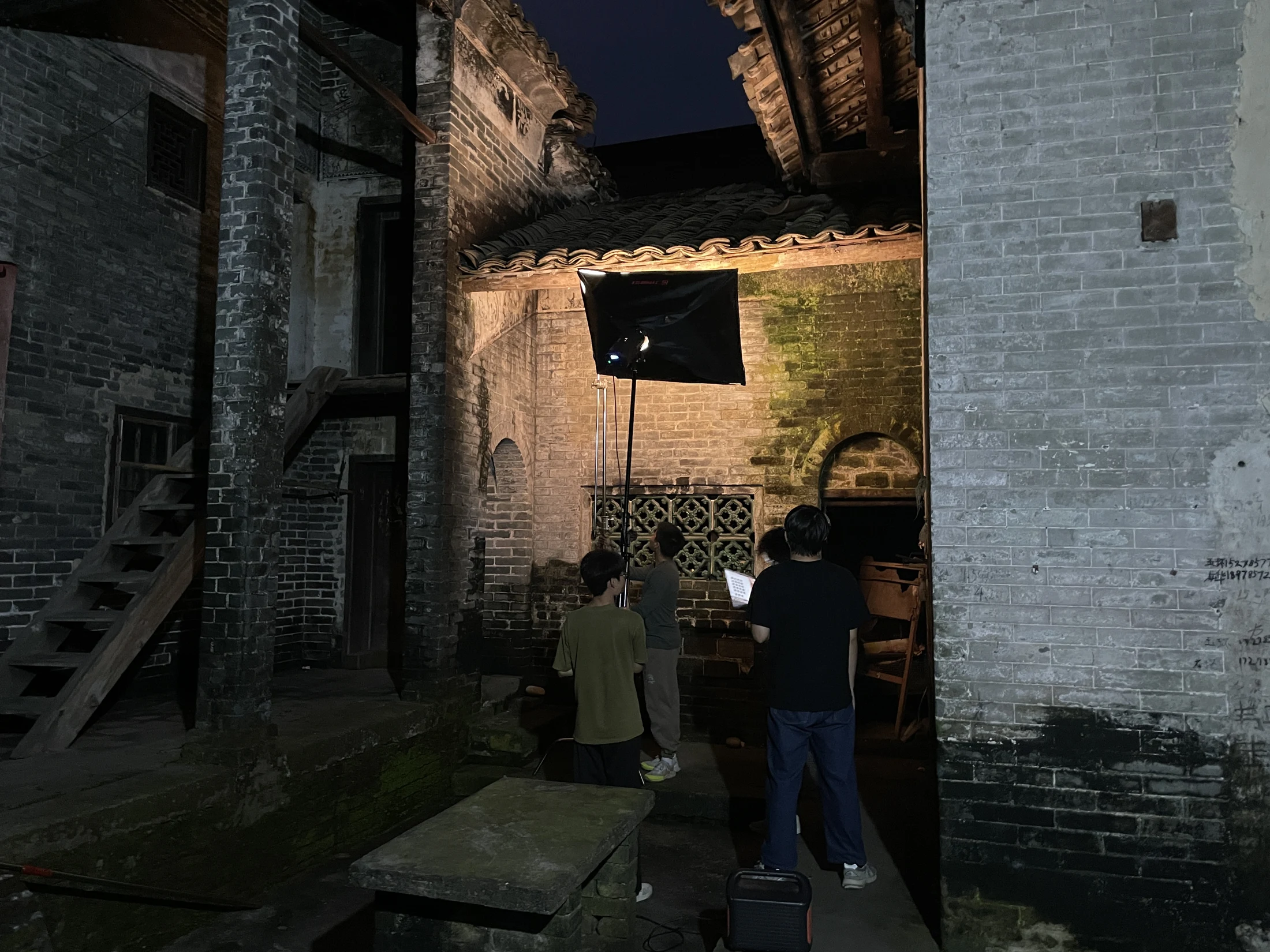
Murals in Nanxiang Village, Guangxi, are part of the buildings and everyday environments that hold them. Fading pigments, surface loss, and fragmented documentation make their preservation an urgent challenge.
This research asks how generative AI can support digital preservation while keeping the evidence, uncertainty, and human decisions behind each reconstruction visible.
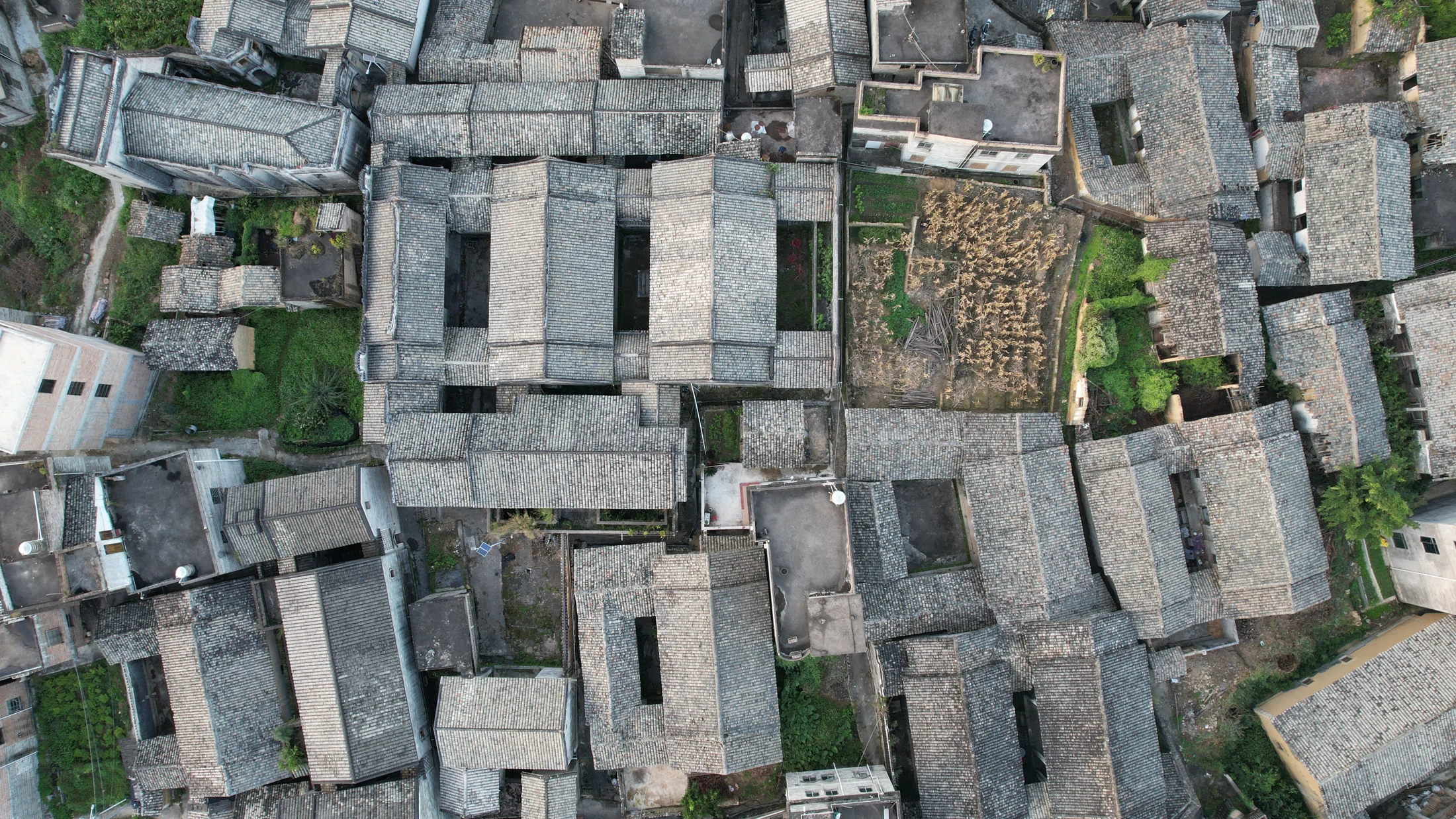
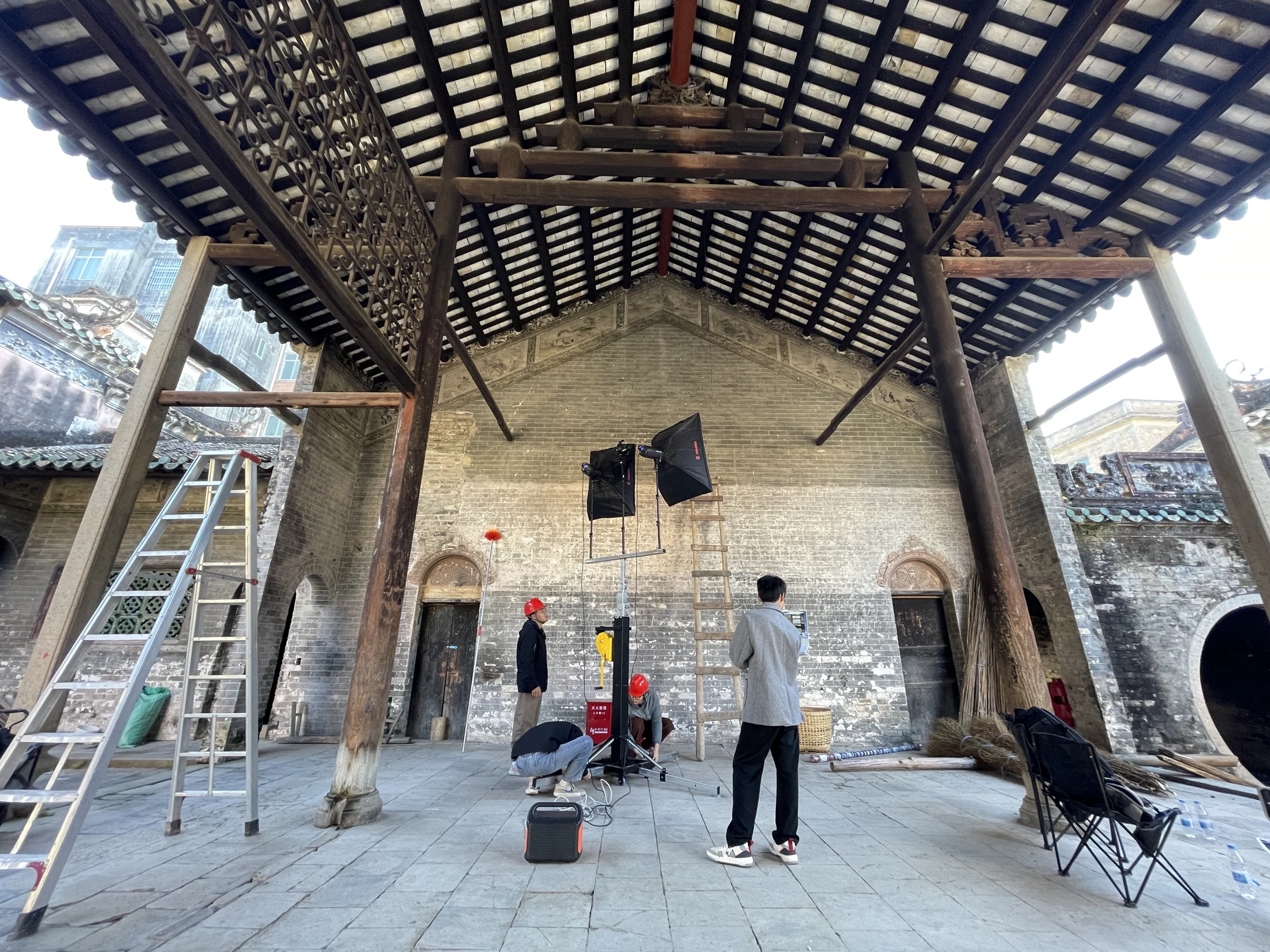
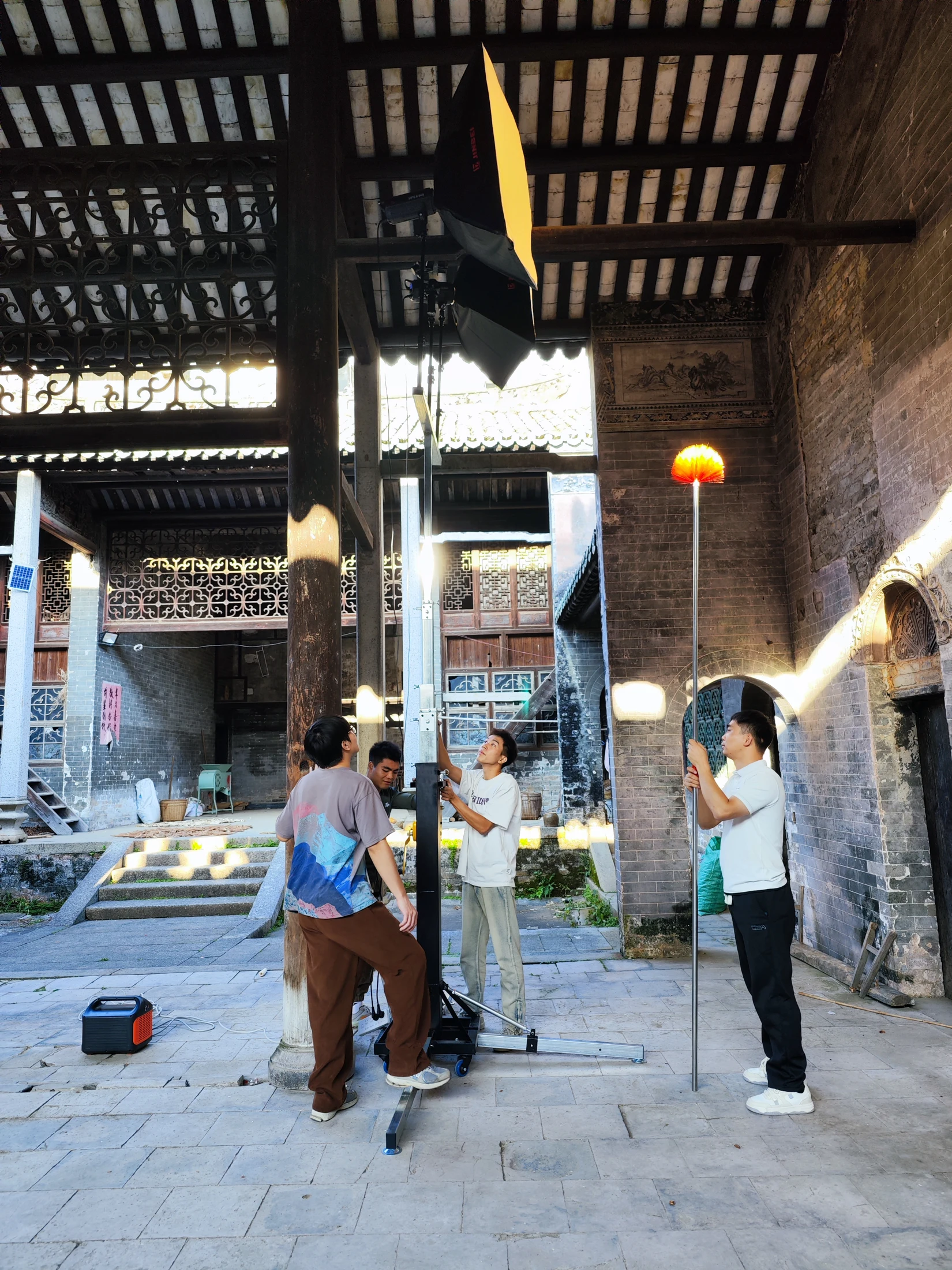
Begin with the surviving evidence.
The field corpus contains 1,303 high-resolution image files documenting murals and their architectural context. Collection-level descriptions offer historical context, but do not establish what belonged inside every missing region.
Source documentation is kept separate from generated candidates. Recording the setting and surviving paint provides a basis for later reference selection and review.
Different subjects. Shared questions.
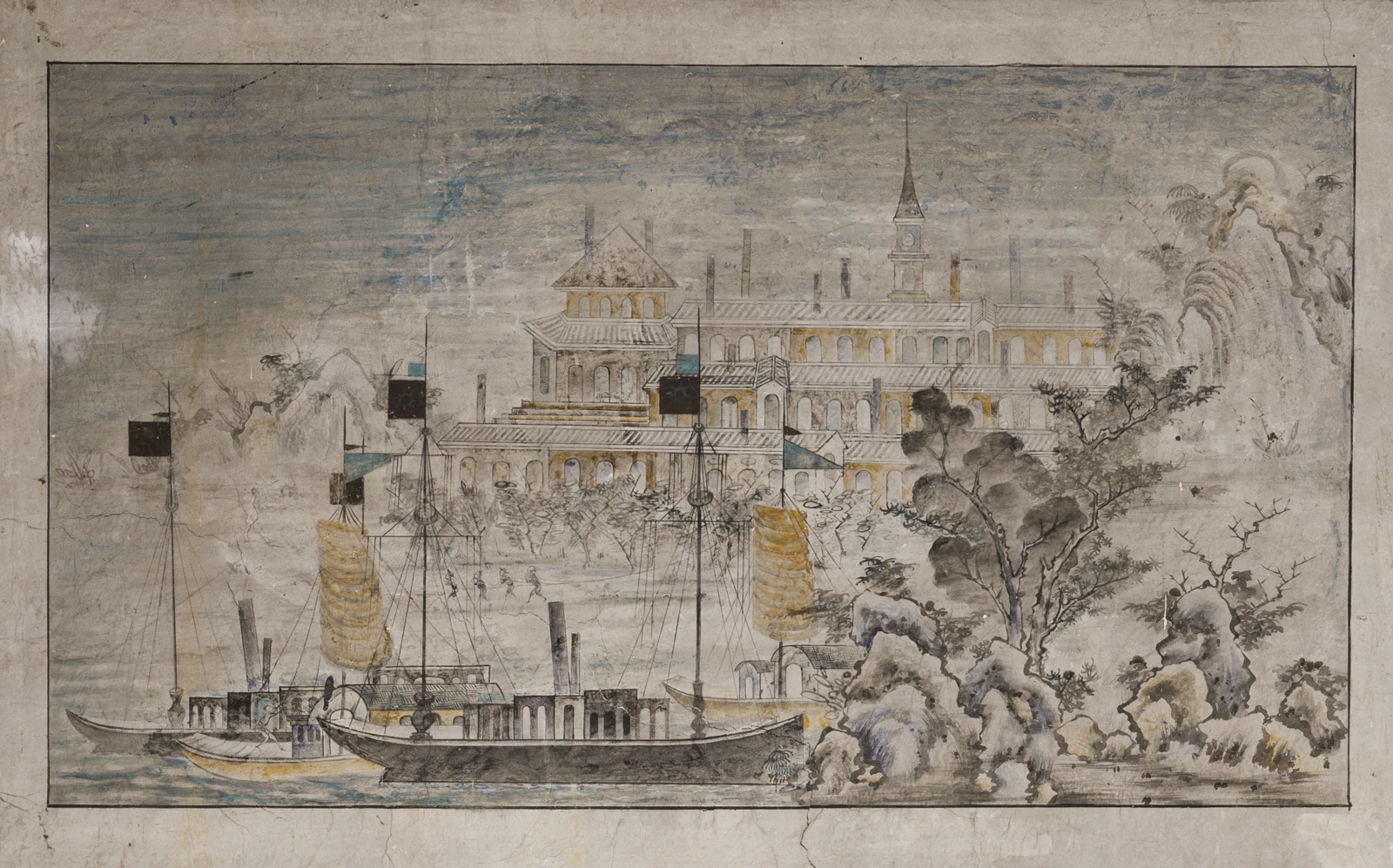
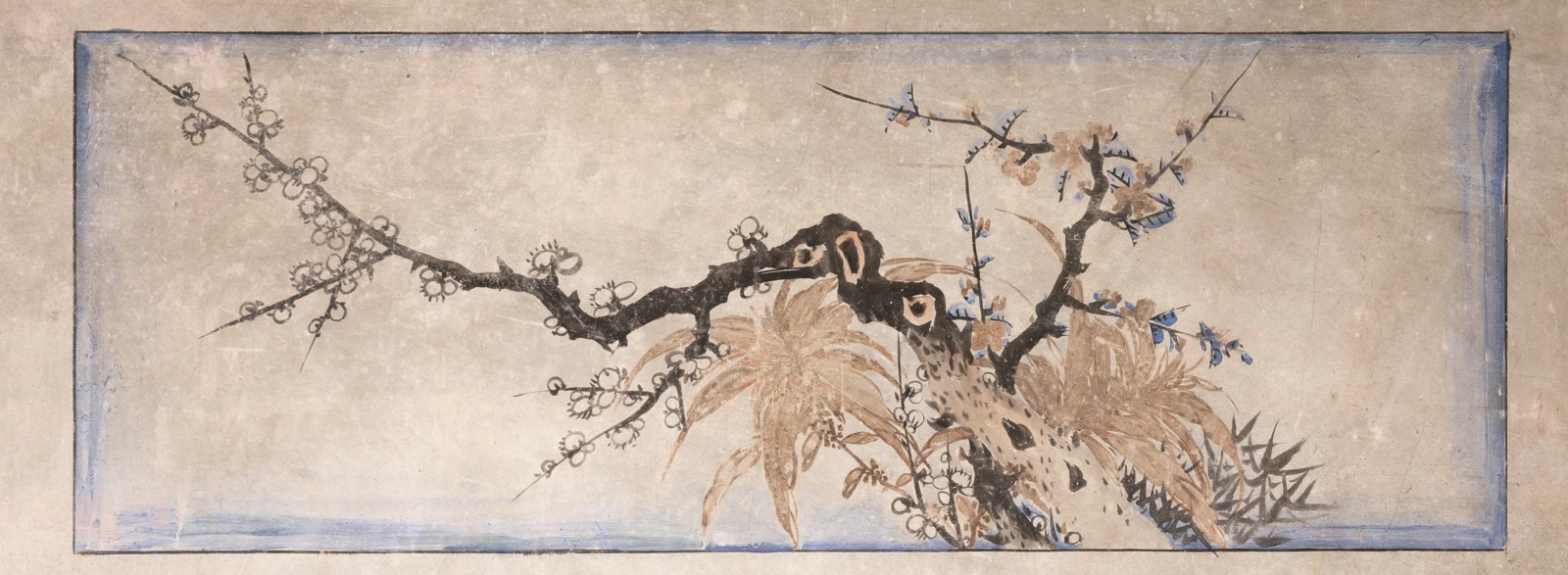
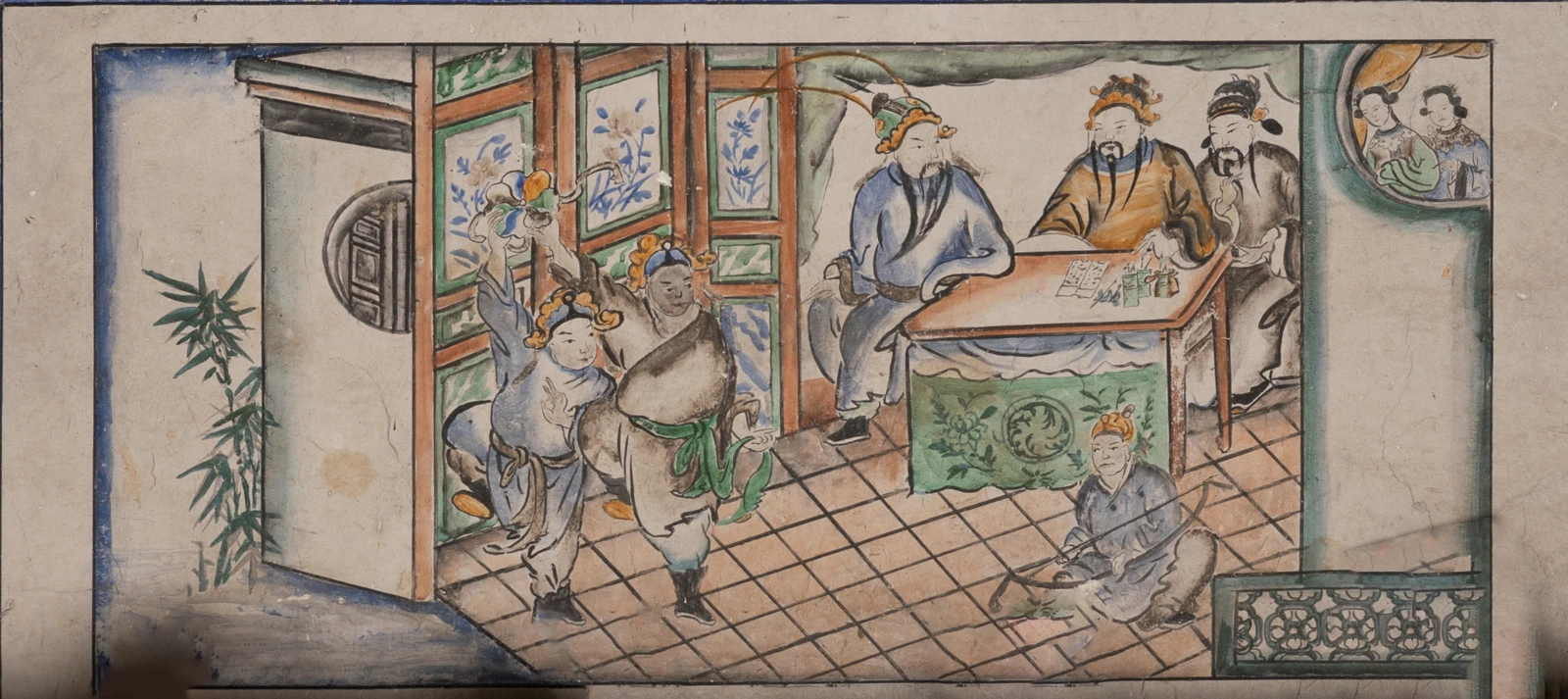
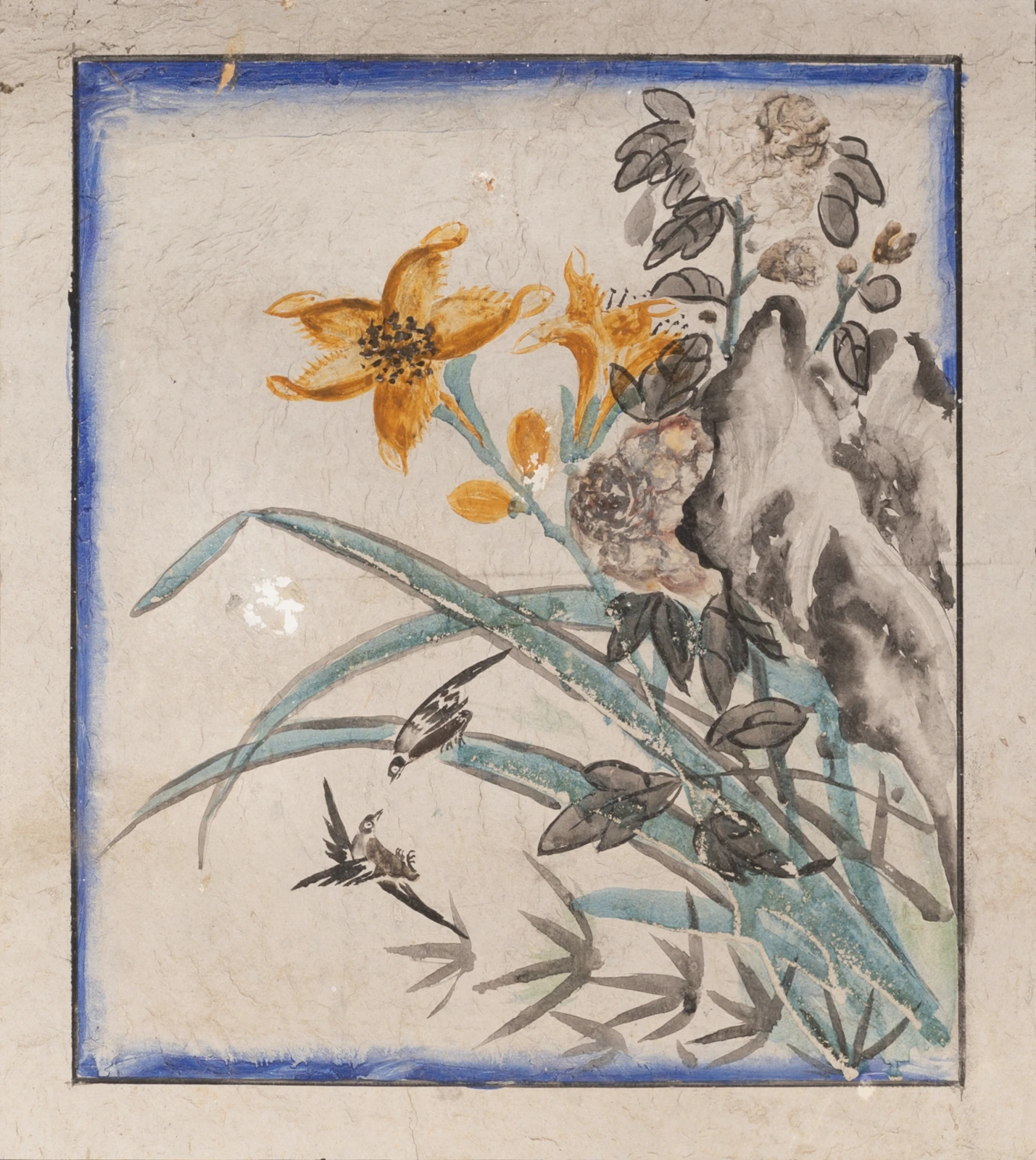
Architectural scenes, flowers and birds, landscapes, and narrative figures require different kinds of evidence. These source photographs show the variety of the documented paintings; they are not AI-generated reconstructions.
What makes a completion defensible?
A visually plausible image does not tell us which sources support it. The workflow treats each generated candidate as a visual hypothesis, linking it to source images, a mask, an independently selected reference, explicit constraints, generation settings, and a human decision.
- 01
Document
Record images, context, condition, and field sources.
- 02
Diagnose
Define the masked region and identify uncertainty.
- 03
Constrain
Select a reference; state the evidence, allowed continuations, and forbidden additions.
- 04
Generate
Keep model settings, prompt versions, and random seeds traceable.
- 05
Verify & preserve
Accept, revise, or reject; archive candidates and their review history.
Allow
Continue features supported by surviving boundary paint and the selected evidence.
Forbid
Do not add unsupported people, inscriptions, buildings, or symbolic objects.
Uncertainty
Revise the evidence record or defer generation when support is insufficient.
Comparing visual hypotheses.
Ten murals, three generation conditions, and three fixed seeds produced 90 candidates. The comparisons below show artificially masked inputs, context-only generation (A), visual-reference guidance (B), and evidence-informed generation (C). Complete originals were used only for evaluation.


From Figure 2 of the paper; fixed seed 1144340710. The floral example uses a reference and constraints refined before generation. These are controlled experiments, not records of physical restoration.