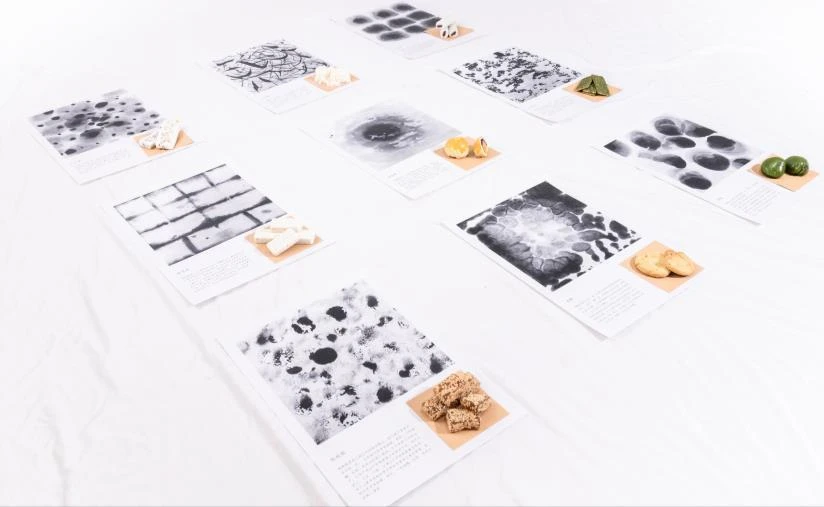
Looking closely at familiar food
The shapes, cross-sections, colors, and traces of preparation found in Jiangnan pastries offer a rich visual language. Taste of Ink looks for connections between these everyday foods and the expressive qualities of ink.
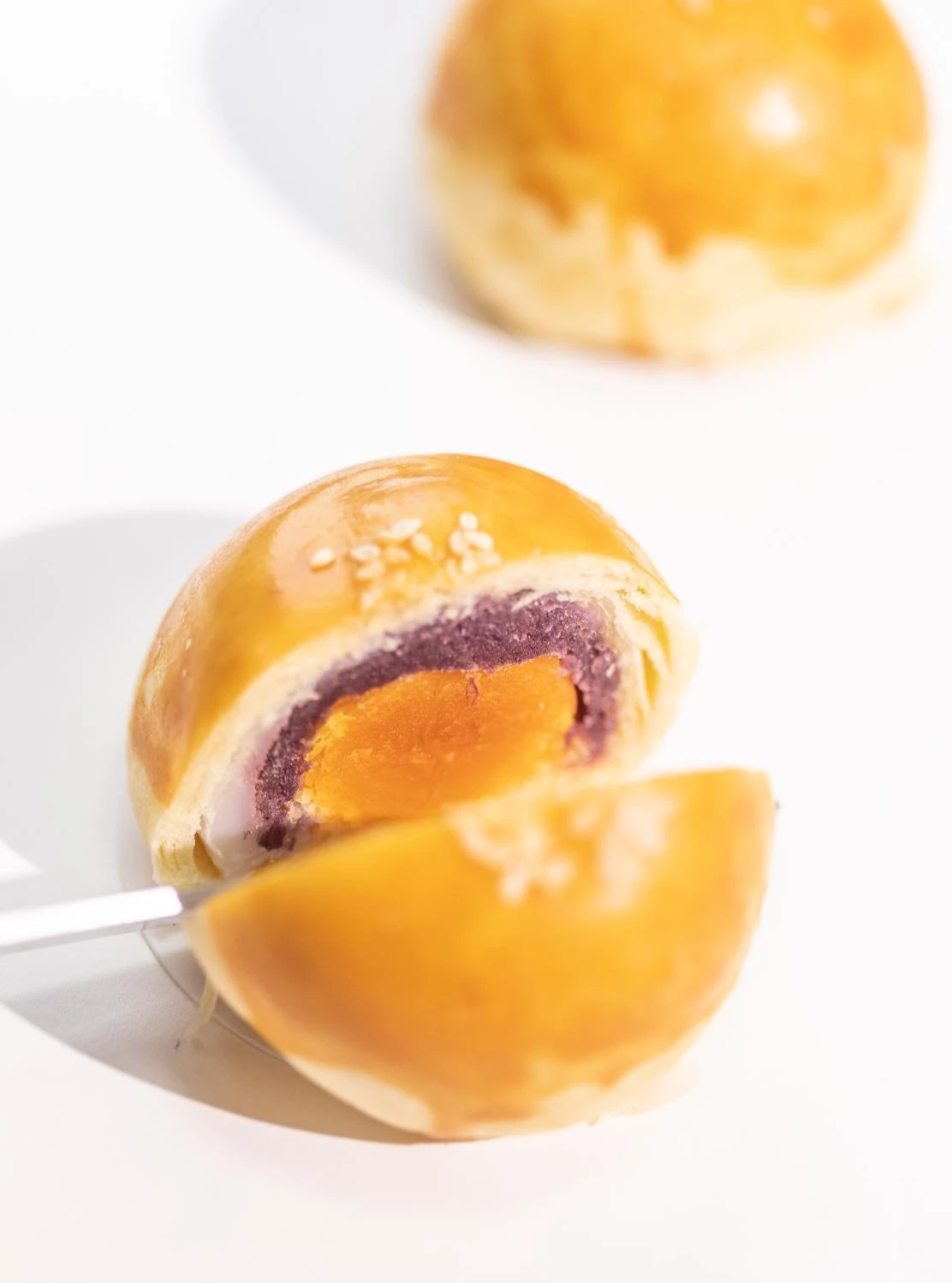
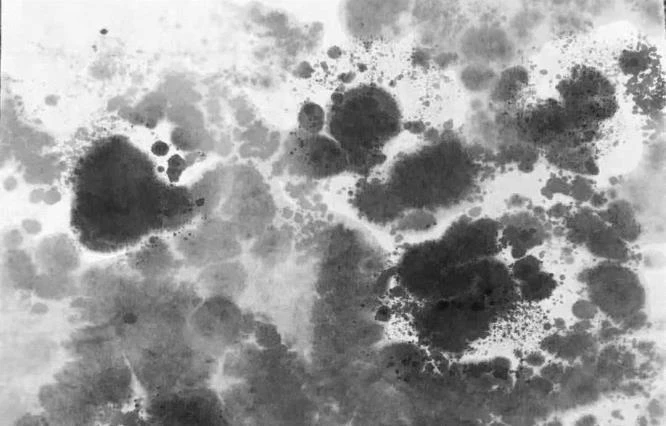
An impression, expressed in ink
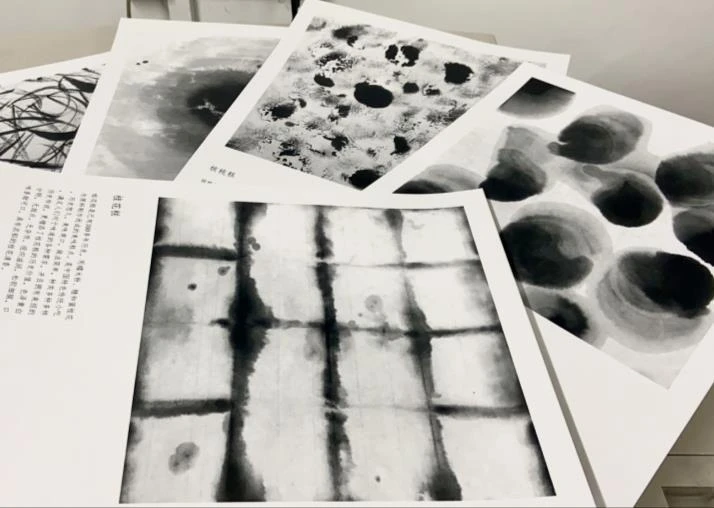
Ink density, spreading, and brushwork offer different ways to respond to observations of food. The paintings translate these impressions into images that can be viewed alongside the pastries.
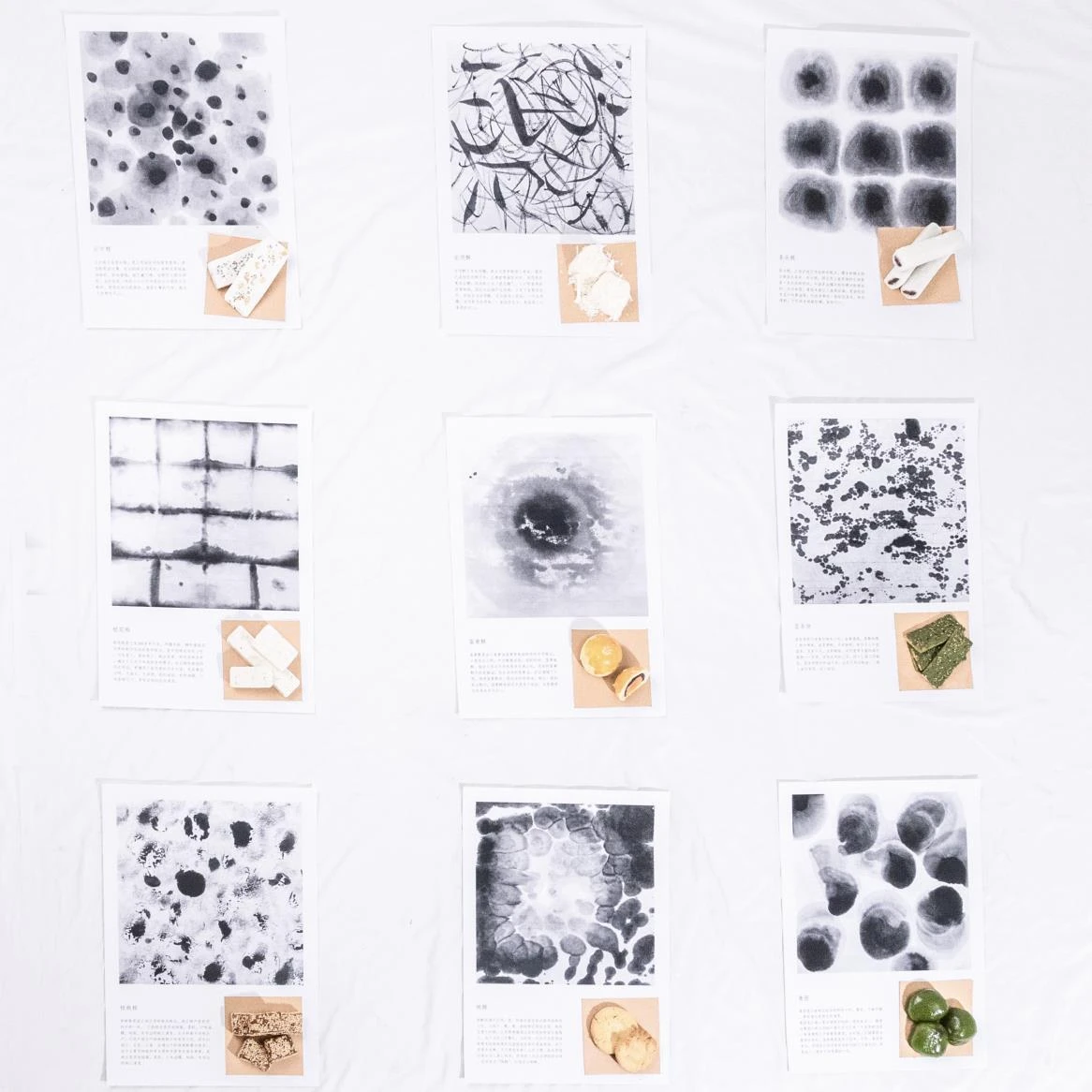
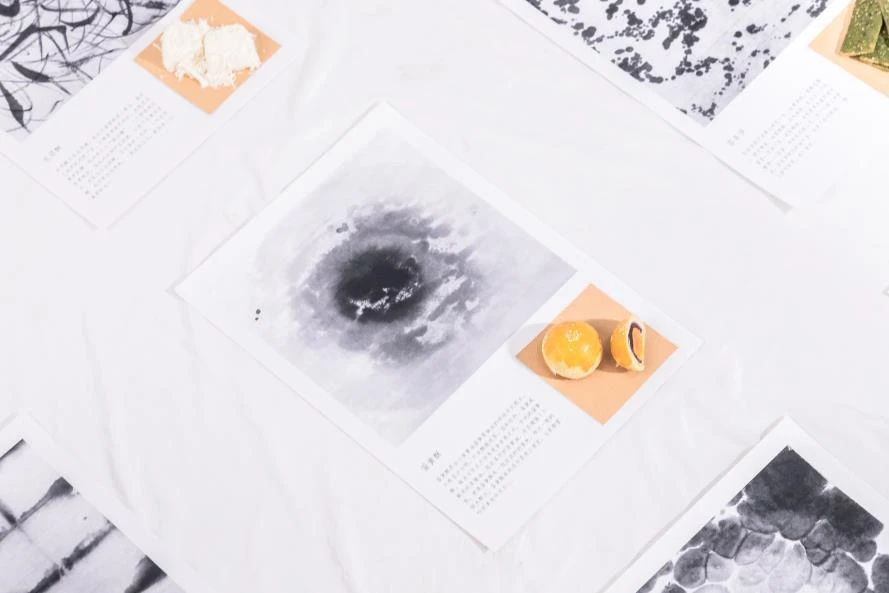
The connection is visual: forms and textures become points of comparison between the food and the painting.
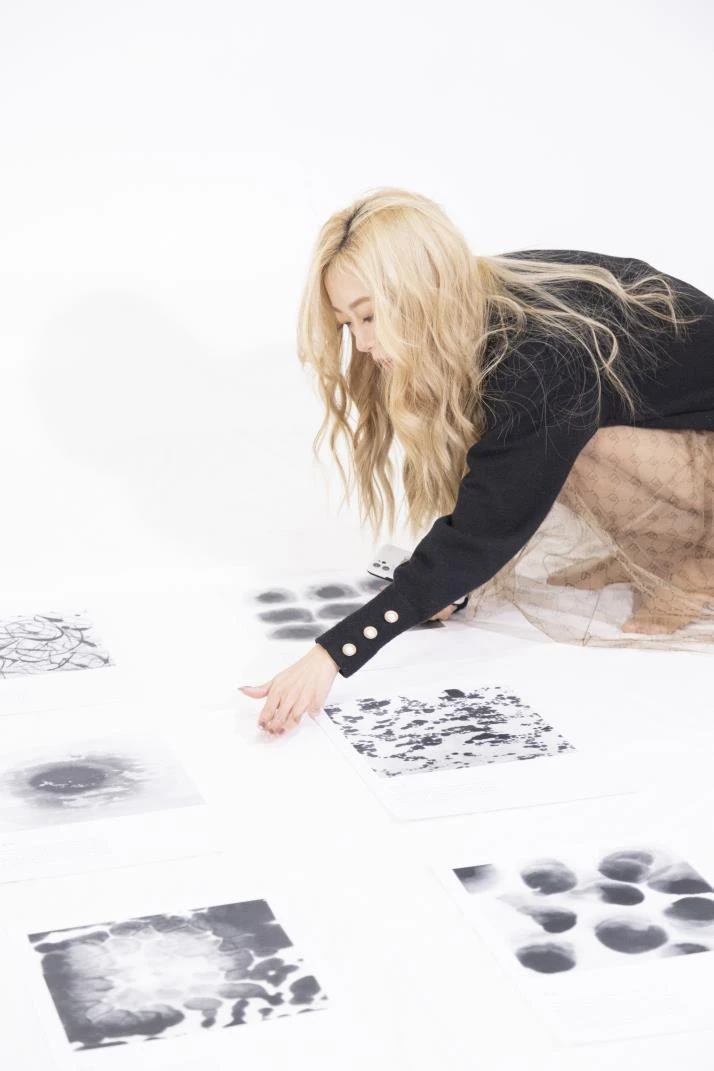
Painting and arranging
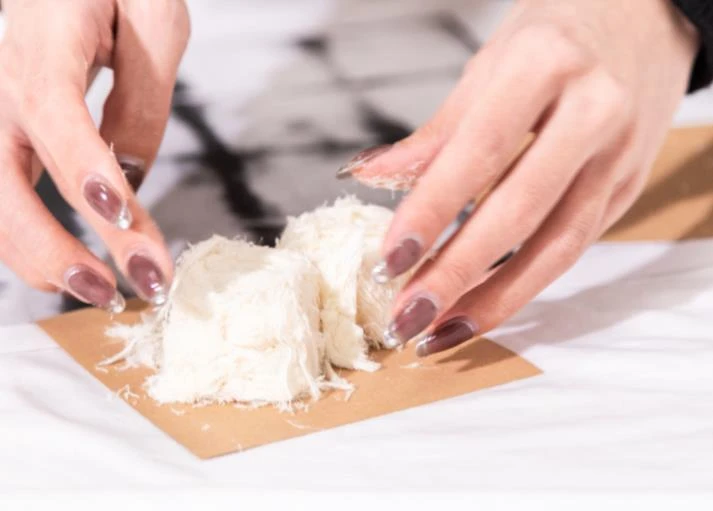
The process moves between observing the pastries, making ink paintings, and arranging images and objects for display. Preparation photographs document the work before the final exhibition.
Seeing them side by side
The exhibition pairs pastries with ink works, inviting visitors to look for relationships in shape, texture, and visual rhythm. It is a viewing exhibition, with no tasting, touching, or handling activities.
What can an image evoke?
Taste of Ink offers a way to revisit familiar food through painting. It opens a question about how visual form might evoke associations with other senses.